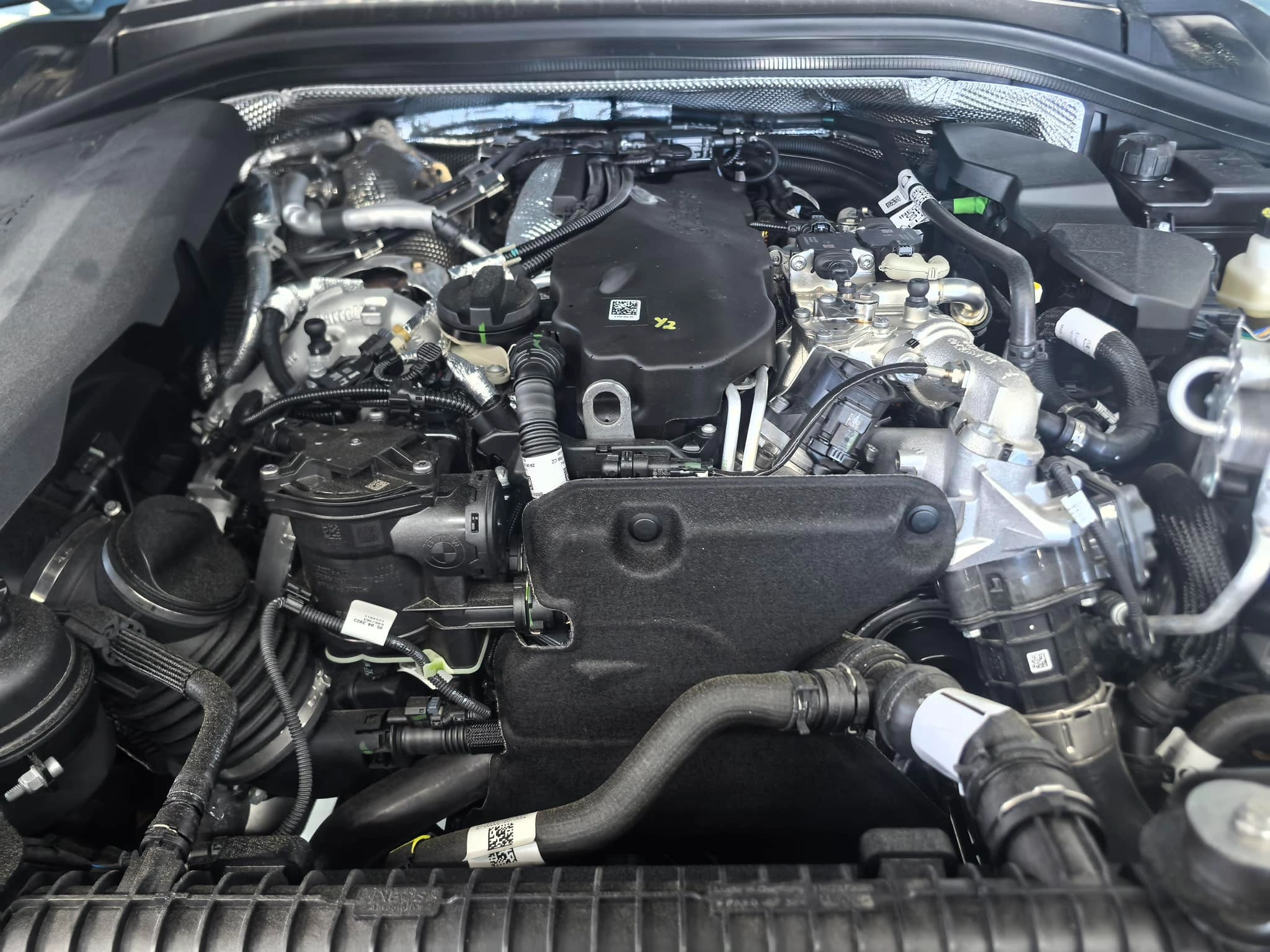
Your Volkswagen Jetta should deliver smooth acceleration and reliable performance. So when it starts losing power while driving, it’s more than just frustrating, it’s a sign that something deeper is going on under the hood. Whether you’re commuting through city traffic or merging onto the highway, sudden power loss can make you feel unsafe behind the wheel.
At A&B Import Auto, we’ve seen this issue countless times during Volkswagen repair appointments, and we know the usual suspects that could be behind the problem.
Common Reasons Why Your Jetta Is Losing Power
1. Failing Fuel Pump
The fuel pump sends fuel from the gas tank to the engine. When it starts to fail, your Jetta might hesitate, sputter, or even stall out while driving. A weak pump struggles to maintain pressure, especially when accelerating or going uphill. This results in noticeable power loss during demanding driving conditions.
2. Clogged Fuel Filter
The fuel filter traps dirt and debris to protect the engine. Over time, it can become clogged and block the flow of fuel. This makes the car feel sluggish, especially when trying to accelerate. You may also notice poor gas mileage or engine misfires.
3. Dirty or Failing Mass Air Flow (MAF) Sensor
The MAF sensor helps the engine balance air and fuel properly. If it’s dirty or not working right, your Jetta could run too rich or too lean. This can cause rough idling, hesitation, and even a check engine light. Cleaning or replacing the sensor often fixes the problem.
4. Faulty Turbocharger (for Turbo Models)
Turbocharged Jetta models use a turbo to boost engine power. If the turbo, wastegate, or intercooler malfunctions, you’ll feel a clear drop in performance. Common signs include whistling noises, excess exhaust smoke, and slower acceleration. Dirty oil and lack of maintenance can lead to turbo failure.
5. Throttle Body Issues
The throttle body controls how much air enters the engine when you press the gas pedal. If it’s dirty or sticking, your Jetta may accelerate unevenly or stall. Other symptoms include unstable idle or hesitation. A clean throttle body helps restore smooth engine response.
6. Transmission Problems
The transmission helps transfer engine power to the wheels. If it’s slipping or shifting late, it might feel like the engine is losing power. DSG and automatic transmissions in particular can show signs like jerky shifts or sudden drop in acceleration. Regular fluid checks and maintenance help prevent these issues.
7. Exhaust Restrictions (Catalytic Converter Issues)
A clogged catalytic converter can block the exhaust flow, making it hard for the engine to breathe. This causes power loss, especially at high speeds. You might notice a rotten egg smell or see the check engine light come on. Exhaust restrictions reduce performance and should be addressed promptly.
Preventive Maintenance Tips to Avoid Power Loss
Routine maintenance is your best defense against unexpected power loss. Here are some expert-backed tips from the technicians at A&B Import Auto!
1. Stick to Your Service Schedule
Volkswagen recommends regular service intervals for vital maintenance like oil changes, filter replacements, and inspections. Following this schedule helps prevent unexpected breakdowns and keeps your Jetta running smoothly. Routine maintenance also ensures components like the engine and transmission remain in top condition. Skipping service can lead to costly repairs later on.
2. Use High-Quality Fuel and Fluids
Always use fuel that meets your vehicle’s recommended octane rating—especially if your Jetta requires premium. Low-quality fuel can lead to carbon buildup and clogged fuel injectors. Likewise, using fluids that don’t meet VW standards can damage internal systems. Stick with trusted brands and formulations specifically designed for your model.
3. Replace Spark Plugs on Time
Spark plugs are essential for proper engine combustion. Over time, they wear down and can cause engine misfires, poor fuel economy, or rough idling. Most VW Jettas need new spark plugs every 40,000 to 60,000 miles, depending on the model and driving habits. Replacing them on time helps maintain peak engine performance.
4. Don’t Ignore Warning Lights
Dashboard warning lights are your vehicle’s way of telling you something’s wrong. A solid check engine light means a problem has been detected and needs attention soon. If the light is flashing, it’s more serious—often indicating engine misfire or potential damage. Always address warning lights promptly to avoid further complications.
5. Pay Attention to Changes in Performance
Even small changes in how your Jetta drives can signal underlying issues. Sluggish acceleration, reduced fuel efficiency, or trouble starting may seem minor but can lead to bigger problems. It’s best to address unusual behavior early before it worsens. Trust your instincts—if something feels off, have it checked.
Trust A&B Import Auto for Expert Volkswagen Repair
At A&B Import Auto, we understand the unique needs of German vehicles. Our ASE-certified technicians use factory-grade tools and diagnostic software tailored to Volkswagen systems. We don’t just swap parts—we diagnose the root cause, explain your options, and deliver long-lasting repairs you can trust.
If your Volkswagen Jetta is losing power while driving, don’t wait until it leaves you stranded. Call A&B Import Auto today or schedule your visit online. Let us bring your Jetta back to peak performance—smooth, responsive, and ready for the road ahead.